 Skip to content
Getting Around Tel Aviv
The Complete Guide to Transportation in Tel Aviv
Revised and Updated – February 2026
Tel Aviv is one of the easiest cities in Israel to explore, thanks to its compact layout, modern transportation system, and wide range of mobility options. Known as the “City That Never Sleeps,” this vibrant Mediterranean hub offers everything from historic landmarks to trendy nightlife – all within relatively short distances.
Whether you’re visiting for a few days or staying longer, knowing how to get around efficiently can save you time, money, and unnecessary stress. While Tel Aviv is surprisingly walkable, you’ll still need a good understanding of local transportation to fully experience everything from the ancient streets of Jaffa Port to the stylish cafés and bars in the north of the city.
This guide will walk you through every major way to travel in Tel Aviv. You’ll find practical information, useful links, and personal tips to help you move around the city comfortably and confidently.
Table of Contents
- The Complete Guide to Transportation in Tel Aviv
- Navigate Tel Aviv Like a Local
- 1. Walking in Tel Aviv
- 2. Public Buses in Tel Aviv
- 3. Light Rail in Tel Aviv (DanKal)
- 4. Trains in Tel Aviv
- 5. Taxis in Tel Aviv
- 6. Bikes & Electric Scooters in Tel Aviv
- 7. Car Sharing & Rentals in Tel Aviv
- Traveling from Ben Gurion Airport to Tel Aviv
- Tips for Getting Around Tel Aviv Smoothly
- Final Thoughts
- Related Posts
💡 Just so you know: Some links on this page are affiliate links, meaning I may earn a small commission if you make a purchase or booking, at no extra cost to you. This helps me keep this site running – thank you!
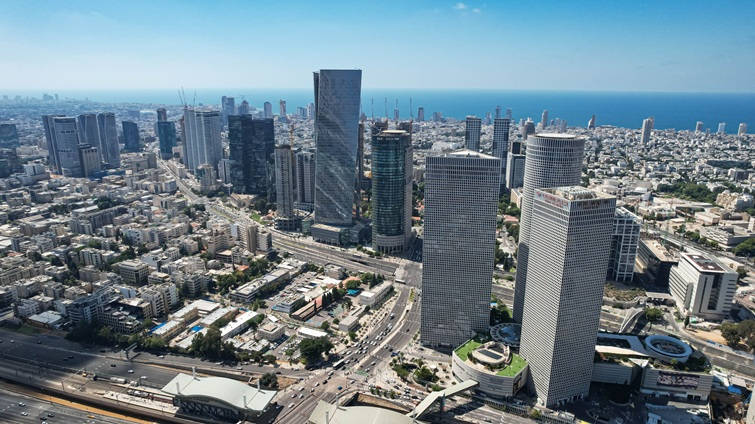
1. Walking in Tel Aviv
Tel Aviv is flat, compact, and exceptionally easy to explore on foot. Many of the city’s top attractions – including beaches, markets, cafés, and nightlife spots – are located within comfortable walking distance of one another. Wide sidewalks, shaded boulevards, and minimal elevation changes create a truly pedestrian-friendly environment, making it easy to wander, discover hidden corners, and soak up Tel Aviv’s vibrant atmosphere at your own pace.
- Practical Considerations: During summer (June-September), temperatures often reach 30-35°C (86-95°F) with noticeable humidity, so plan your walks for early mornings or evenings and carry water to stay hydrated. Winters (December-February) are mild and comfortable, with temperatures ranging from 10-18°C (50-64°F).
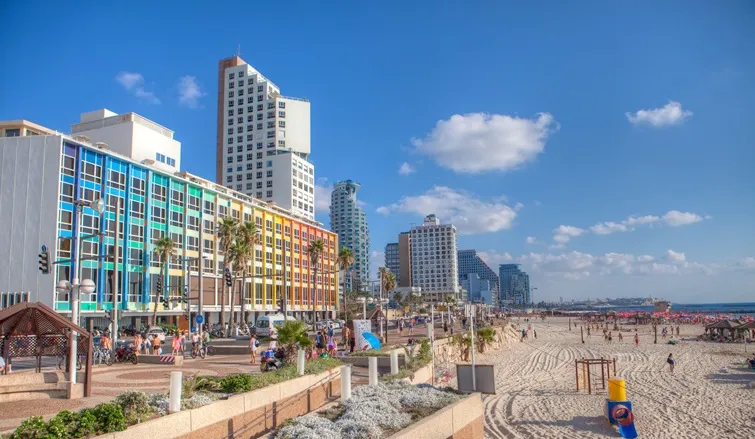
💡 My Tip: The Tel Aviv Promenade (Tayelet) stretches 5.5 km along the Mediterranean coastline, from Herzliya in the north to Jaffa in the south. With sweeping sea views, beach cafés, and open public spaces, it’s perfect for relaxed walks – especially at sunset.
2. Public Buses in Tel Aviv
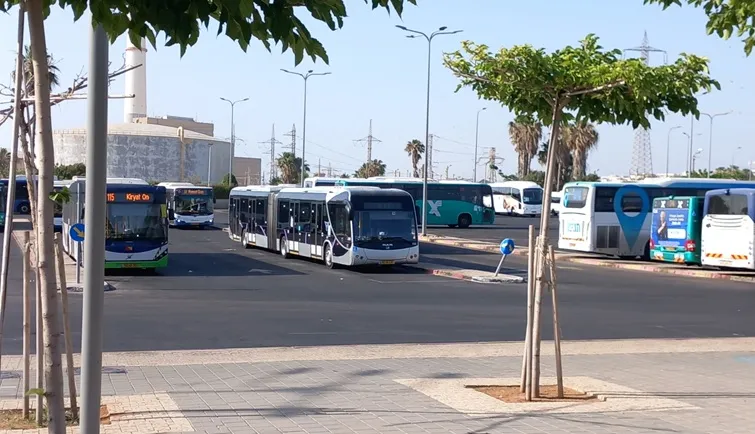
Buses are the backbone of Tel Aviv’s public transport. Operating across almost every part of the city and its suburbs, they offer a convenient and reliable option for daily travel. Services typically run from 5:30 AM to midnight on weekdays, with modern, air-conditioned vehicles. Main operators are Dan (mostly within Tel Aviv) – dan.co.il, and Egged (mostly intercity) – egged.co.il.
Practical Information:
- Fare System: A standard city bus ticket costs 8 ILS, and allows unlimited transfers within a 90-minute window. This transfer policy also applies to light rails and trains, making it easy to combine multiple trips without paying extra.
- Frequency and Capacity: Buses in Tel Aviv run every 5-15 minutes during peak hours, but they can get crowded between 7-9 AM and 4-7 PM. For real-time schedules, route planning, and live updates, I recommend using the ad-free Egg app.
- Rav-Kav Card: Most public transport in Tel Aviv requires a Rav-Kav smart card – you cannot pay the driver directly. An anonymous card can be purchased at Ben Gurion Airport, central bus stations and most train stations. For QR-based payment and topping up your card use Rav-Kav Online, Rav-Pass or Egg on your mobile phone.
💡 My Tip: Use the apps for real-time arrival alerts so you don’t have to wait in the sun longer than necessary. They also let you top up your card easily from your mobile phone. Remember to validate your Rav-Kav or mobile QR ticket as soon as you board to avoid fines.
3. Light Rail in Tel Aviv (DanKal)
The Tel Aviv Light Rail, also known as DanKal, is Israel’s first modern light rail system. It connects Tel Aviv with nearby cities and provides a fast, reliable alternative to buses – especially during rush hours. The system is operated by NTA Metropolitan Mass Transit System.
Practical Information:
- Red Line: Operational since 2023, the Red Line spans 24 km with 34 stations, running from Petach Tikva to Bat Yam. It passes through central Tel Aviv and Jaffa, stopping at key tourist spots like Carmel Market (Allenby Station) and the arts district (HaBima Station). The line operates from 5:30 AM to midnight, with trains every 6-12 minutes. A single ride (up to 15km) costs 8 ILS, payable via Rav-Kav card or compatible public transport apps.
- Purple & Green Lines: Currently under construction, these lines are expected to become operational in the near future and will expand connectivity between Tel Aviv and its neighboring cities, as well as additional areas within the metropolitan region.

4. Trains in Tel Aviv
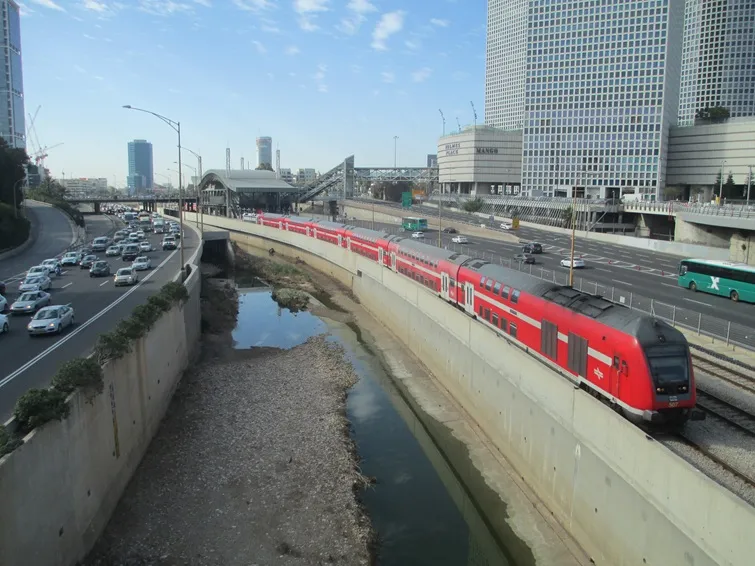
Trains are the fastest and most comfortable way to travel between Tel Aviv and other major destinations in Israel, including Jerusalem, Haifa, Be’er Sheva, and Ben Gurion Airport.
Practical Information:
- Tel Aviv has four main train stations: The University, Savidor Center, HaShalom, and HaHagana. Service is frequent, running every 15-30 minutes, with air-conditioned cars and onboard Wi-Fi for a comfortable journey.
- Payment can be made with a Rav-Kav card or via mobile apps, and tickets are also available from automatic machines at the stations. For schedules, fares, and route planning, check the Israel Railways official website.
5. Taxis in Tel Aviv
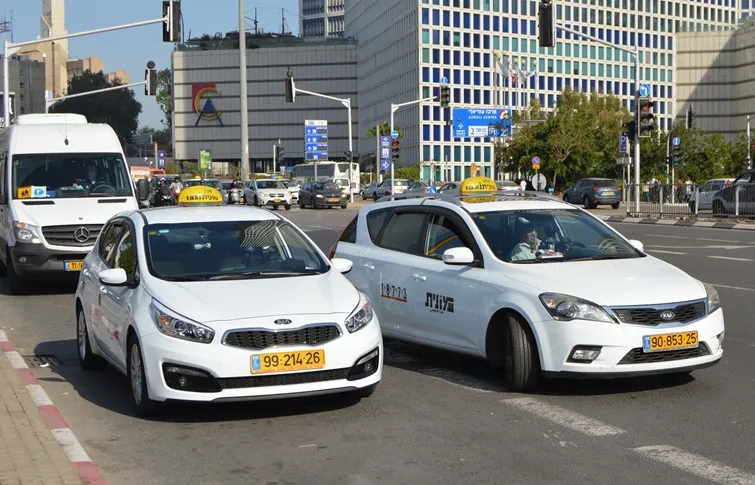
Taxis are widely available in Tel Aviv and operate 24/7, including during Shabbat and holidays. While there is no Uber or Lyft in the traditional sense, getting a private ride is easy and convenient. For door-to-door travel – especially with luggage, late at night, or early in the morning – taxis remain a popular choice among visitors.
Practical Information:
You can wave down a taxi on the street or book your ride through one of these taxi apps:
- Gett – Israel’s most widely used taxi-hailing app, offering reliable service and upfront pricing.
- Yango – A competitive alternative with similar features and coverage.
Key Points:
- Taxi meters are mandatory – make sure the driver turns it on if you’re not using an app.
- Card payments are usually accepted when booking through apps.
- Extra charges may apply at night, on weekends, and during holidays.
- App-based bookings often show estimated fares in advance, helping you avoid surprises.
💡 My Tip: Whenever possible, use an app to book your taxi ride – it gives you fare transparency, digital receipts, and easier payment. Remember that the meter is almost always cheaper, so never agree to a “fixed price” with a driver unless you’re heading to the airport.
6. Bikes & Electric Scooters in Tel Aviv
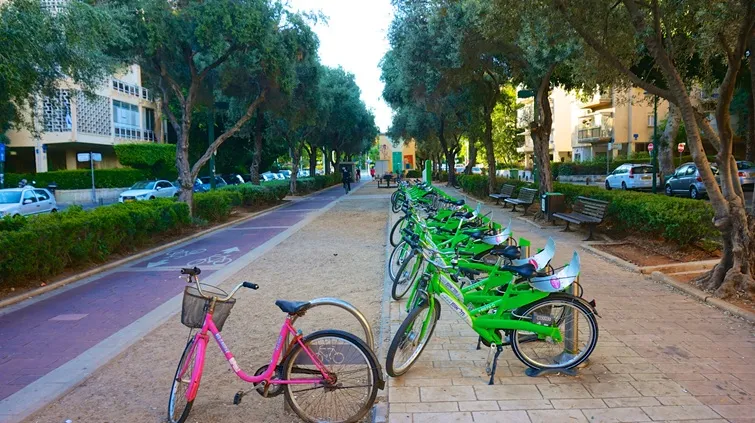
Tel Aviv is Israel’s most bike-friendly city, thanks to its flat terrain, extensive network of dedicated bike lanes, and widespread rental options. Cycling and electric scooters offer a fast, fun, and eco-friendly alternative for medium-distance travel, making it easy to move between neighborhoods and attractions. Getting around Tel Aviv on two wheels is both convenient and enjoyable.
Practical Information:
- Tel-O-Fun (City Bike Share): Tel Aviv’s official bike-sharing system offers hundreds of docking stations across the city, making it easy to pick up and drop off a bike near major attractions, beaches, and transit hubs. Bikes can be rented via the mobile app using daily, weekly, or subscription passes. Ideal for short trips and casual sightseeing, Tel-O-Fun is affordable, reliable, and integrates well with the city’s bike lane network.
- Electric Scooters (Shared Services): Several operators such as Bird, Lime, and Dott operate app-based electric scooters throughout Tel Aviv, allowing you to unlock a scooter instantly and ride almost anywhere in the city. They are perfect for quick trips and avoiding traffic, especially in busy areas. Payment is per ride, based on time and distance. Helmets are recommended, riding on sidewalks is restricted, and parking must be done in designated zones to avoid fines.
💡 My Tip: To avoid heavy fines stay off sidewalks, use bike lanes, ride at a maximum of 25 km/h (15 mph) and park in designated areas only. Helmets are mandatory for all ages.
7. Car Sharing & Rentals in Tel Aviv
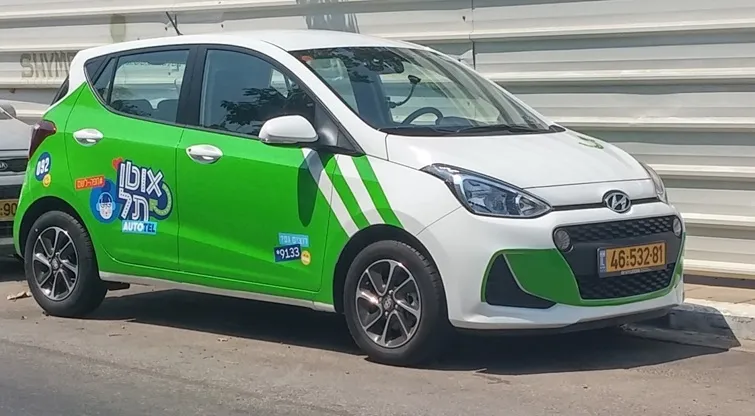
While driving in central Tel Aviv can be challenging due to traffic and parking, cars are ideal for excursions outside the city. Car-sharing services like AutoTel allow you to pick up a vehicle in one location and drop it off in another, offering flexibility without the hassle of a traditional rental. Meanwhile, car rental companies provide full-size or specialized vehicles for longer trips, giving you freedom to explore beyond the city at your own pace.
Practical Information:
- Car-Sharing: Vehicles are booked through the AutoTel mobile app. To open an account, you must upload and validate your foreign driving license, a process that may take up to 24 hours for approval. Once registered, you can reserve and unlock cars directly from your phone. Payment is based on hourly and/or distance-based rates, so be sure to check the latest plans and special offers on the AutoTel website before booking. Another option is Share-Israel, which also allows short-term rentals by the hour or day.
- Traditional Car Rentals: Many car rental companies operate throughout Tel Aviv, offering vehicles from compact city cars to SUVs. Pickup is available at major locations including the city center and Ben Gurion Airport. I recommend booking through DiscoverCars – a platform that compares multiple rental providers and usually offers the most competitive rates.
💡 My Tip: Driving in Israel is on the right side, following European-style rules. Parking in blue-and-white zones is paid, so be sure to use apps like Pango or Cellopark to pay conveniently and avoid fines.
Traveling from Ben Gurion Airport to Tel Aviv
Getting from Ben Gurion Airport to central Tel Aviv is easy, with several convenient options, differing in cost, travel time, and convenience, depending on your schedule, luggage, and personal preference.
- Train – Direct service to any of Tel Aviv’s four main stations. Fast, frequent, and comfortable.
- Bus – Affordable option to reach central Tel Aviv. Service is limited on weekends and holidays.
- Airport Taxi – Available 24/7 outside the arrivals hall. Reserve your taxi ride through Gett.
- Private Airport Transfer – A reliable and stress-free option, ideal for groups, families, and travelers with lots of luggage.
- Car Rental – For travelers who prefer to drive themselves. Booking in advance is highly recommended.
💡 My Tip: For detailed schedules, fares, and travel tips, check out my comprehensive guides: How to Get from Ben Gurion Airport to Tel Aviv and Traveling from Ben Gurion Airport on Shabbat.
Tips for Getting Around Tel Aviv Smoothly
Navigating Tel Aviv is easier when you know the local rules, schedules, and best practices. From public transport to bikes and taxis, these practical tips will help you move around the city efficiently, safely, and stress-free.
- Plan Ahead – Use apps to check routes, schedules, and fares in advance to avoid delays and make the most of your time in Tel Aviv. Make sure you have reliable internet connectivity for maps and ticketing by purchasing an eSIM before your trip.
- Know the Rules – Familiarize yourself with and follow local transport regulations, no matter how you choose to travel. Always validate your Rav-Kav card when boarding buses, trains, or the light rail, follow safety rules when cycling or riding scooters, drive responsibly, and park only in designated areas.
- Know Shabbat & Holiday Hours – Most public transport in Tel Aviv stops from Friday afternoon to Saturday night, and services may also be limited on national holidays. Be sure to plan your trips accordingly during these times.
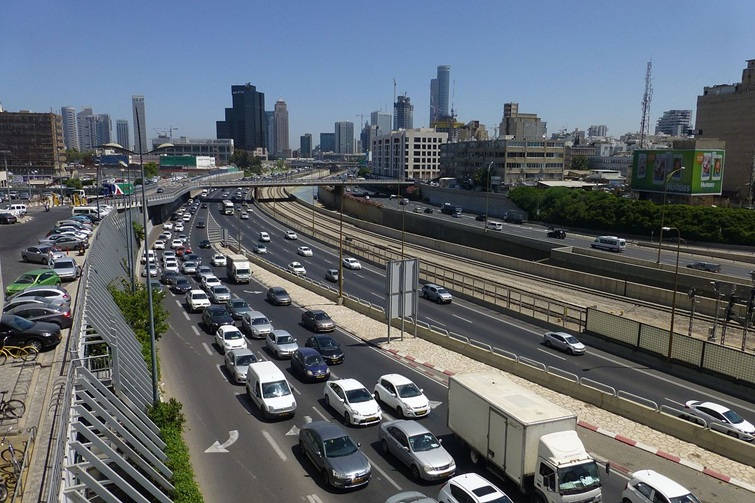
- Traffic & Parking – Driving in central Tel Aviv can be challenging due to congestion and limited parking. If you rent a car, allow extra travel time and use apps like Pango or Cellopark to pay for parking in designated zones.
- Safety & Comfort Outdoors – When walking, cycling, or riding electric scooters, stay hydrated, protect yourself from the sun, and always wear a helmet.
Final Thoughts
Navigating Tel Aviv is easier than it might seem, thanks to its compact layout, modern public transport, and wide range of mobility options. Whether you prefer walking along the scenic promenade, hopping on a bus or train, riding a bike or electric scooter, or taking a taxi or rental car, there’s a convenient solution for every type of traveler.
By planning ahead, staying aware of local rules and schedules, and choosing the mode of transport that suits your itinerary, you can explore Tel Aviv efficiently, safely, and comfortably – making the most of everything this vibrant city has to offer.

Thank you for visiting my website!
I’m Moshe Barak, providing private transportation across Israel for international travelers for over 20 years.
Together with my team of dedicated drivers, I offer reliable, flexible, and personalized service – with close attention to detail and a personal touch. Whether you’re visiting for business or leisure, I’m committed to making your journey as easy and enjoyable as possible.
Feel free to reach out for a quote, I’ll be happy to assist.
I look forward to being part of your journey in Israel.
Warm regards,
Moshe Barak

One Last Thing…
✈️ Travel Insurance for Your Trip to Israel
Unexpected medical costs, flight changes, or lost baggage can quickly turn a great trip into a stressful one. Travel insurance helps you stay protected and enjoy Israel with peace of mind. Consider these two trusted, well-reviewed insurance providers:
Related Posts
More Guides From My Travel Blog with Tips for Upgrading Your Trip in Israel
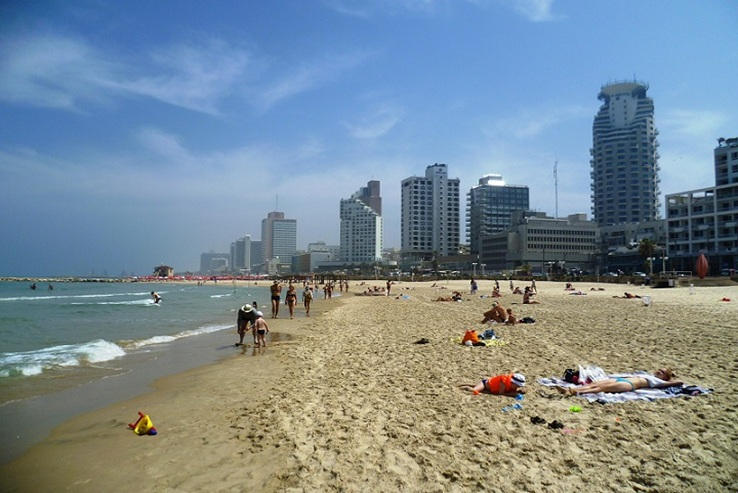
The Best Beaches in Tel Aviv
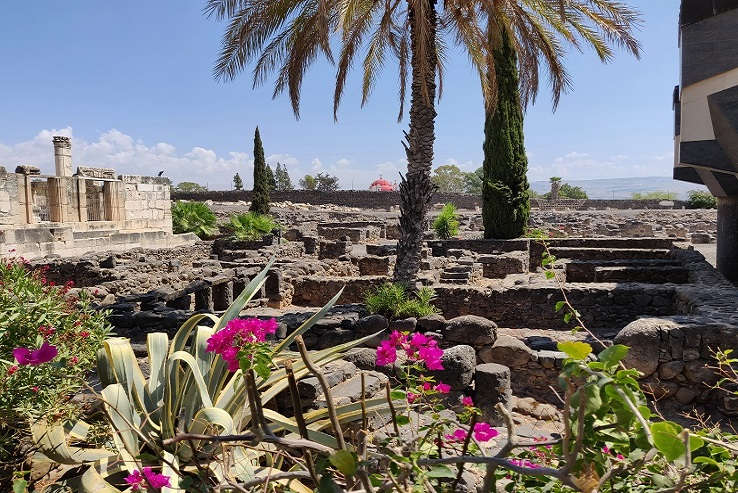
Capernaum
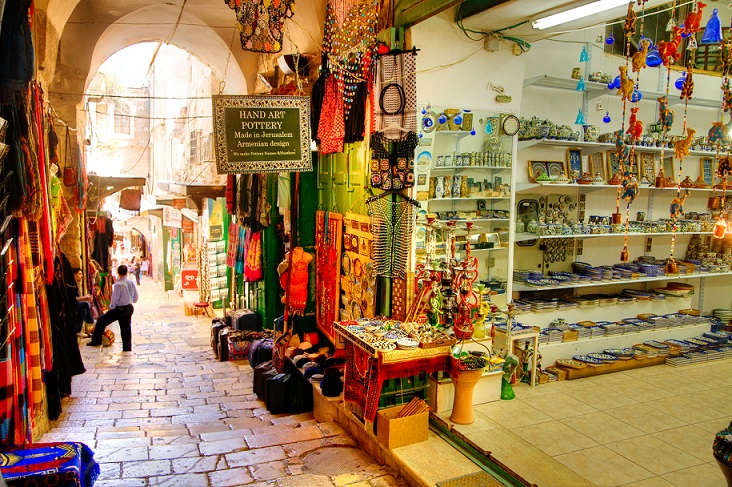
Shopping in Jerusalem

Dead Sea Attractions
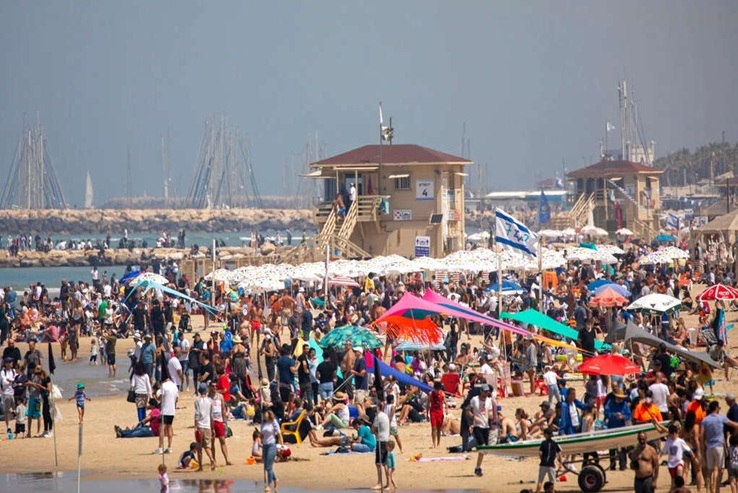
The Best Time to Visit Israel
Caesarea

Israel Itinerary – 5 Days

Israel Itinerary – 10 Days

Israel Tours for Seniors

Best Day Trips from Jerusalem
The Best Attractions in Tel Aviv