 Skip to content
The Old City of Jerusalem
The Complete Travel Guide for First-Time Visitors
Revised and Updated – February 2026
Table of Contents
💡 Just so you know: Some links on this page are affiliate links, meaning I may earn a small commission if you make a purchase or booking, at no extra cost to you. This helps me keep this site running – thank you!
Exploring the Old City of Jerusalem
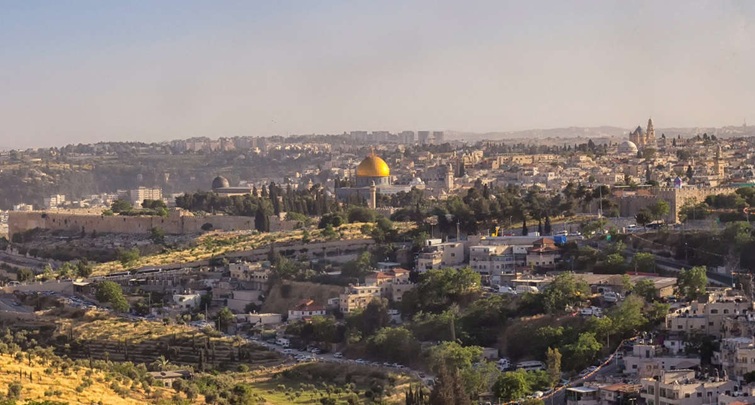
The Old City of Jerusalem is a vibrant tapestry of history, religion, and culture, captivating travelers with its ancient charm and profound significance. This guide offers a detailed exploration of the Old City, providing tourists with essential information on its quarters, major landmarks, and practical tips for a memorable visit.
The Old City Quarters
The Old City is divided into four distinct quarters, each with its own unique character and attractions.
✡️ The Jewish Quarter
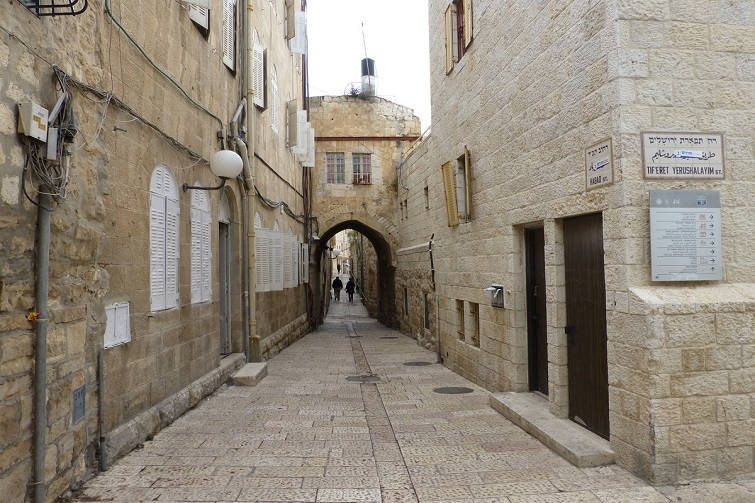
The Jewish Quarter is a center of Jewish heritage, faith, and resilience. Combining ancient history with modern life, this area offers visitors a deep connection to Jerusalem’s spiritual roots.
Key highlights include:
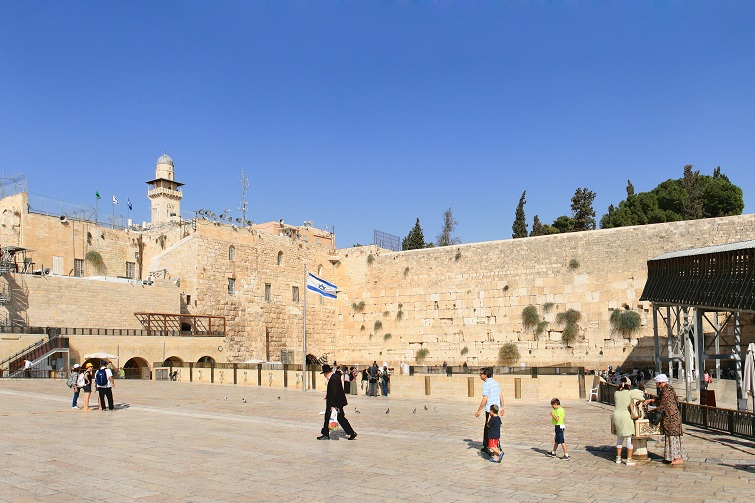
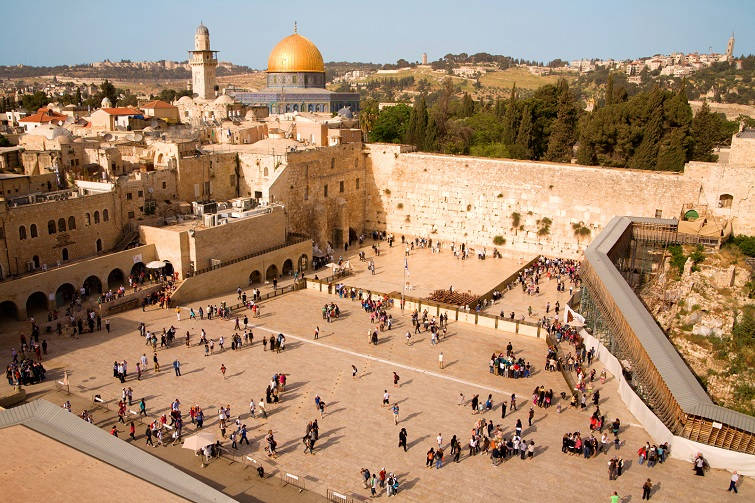
- The Western Wall: The holiest accessible site in Judaism, also known as the Kotel. This sacred space is a place of prayer and reflection, where visitors often place written wishes and prayers into the stones’ crevices.
- The Cardo: A partially restored Roman-era street that once served as Jerusalem’s main commercial avenue. Today, visitors can walk along its ancient path and browse small shops set among historic arches.
- Ha-Hurva Synagogue: A powerful symbol of endurance, this synagogue has been destroyed and rebuilt multiple times. Its current structure showcases elegant architecture while reflecting the Jewish community’s long and complex history in the Old City.
💡 My Tip: After visiting the Western Wall, take time to wander through the quieter side streets of the Jewish Quarter – you’ll often discover small galleries, viewpoints, and shaded benches that most tour groups miss.
✝️ The Christian Quarter
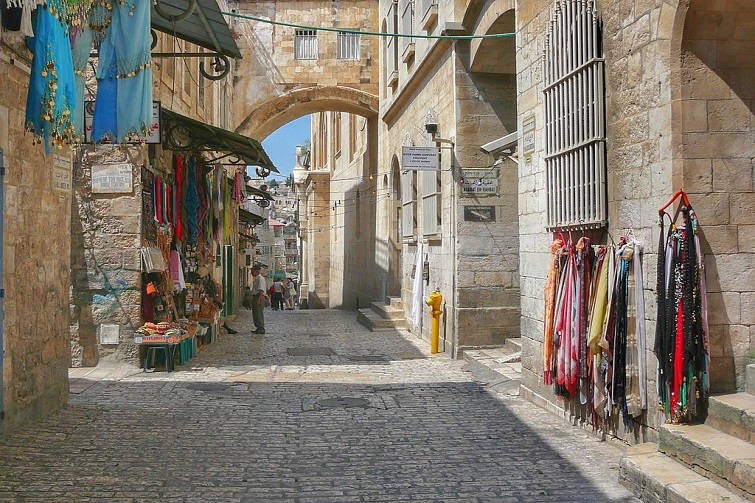
The Christian Quarter is the spiritual heart of Christianity in Jerusalem and a major destination for pilgrims from around the world. Its narrow streets are filled with churches, monasteries, souvenir shops, and centuries of religious tradition.
Key highlights include:
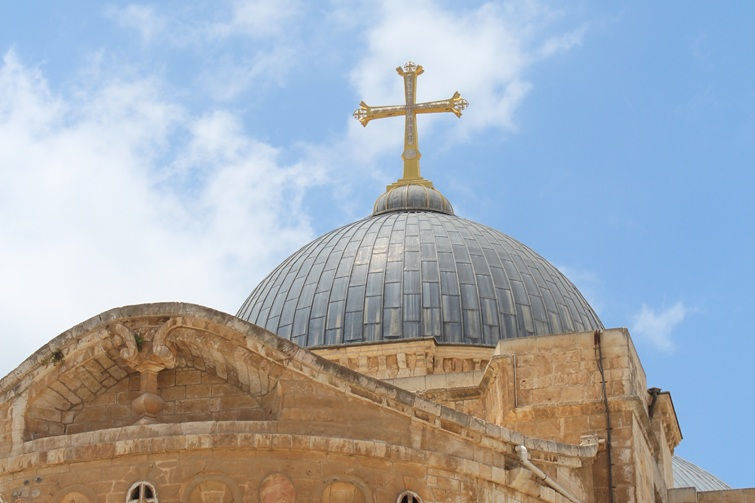
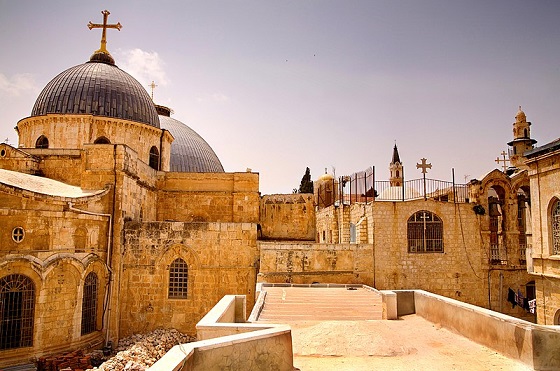
- Church of the Holy Sepulchre: One of the most sacred sites in Christianity, believed to mark the place of Jesus’ crucifixion, burial, and resurrection. Inside, visitors can see the Stone of Anointing, Golgotha, and the Aedicule, which houses the Holy Tomb. The church’s complex layout reflects centuries of shared worship among different Christian denominations.
- Via Dolorosa: Traditionally believed to be the path Jesus walked on his way to crucifixion. The route is marked by the Stations of the Cross, each commemorating a significant moment in the Passion story. Many pilgrims follow this path in prayer, especially on Fridays.
💡 My Tip: For a deeper dive into Jerusalem’s rich Christian heritage, check out my comprehensive guide to Christian sites and churches in Jerusalem, with detailed information on historic churches, pilgrimage routes, and practical tips to make the most of your visit.
☪️ The Muslim Quarter
The Muslim Quarter is the largest and most lively area of the Old City, known for its bustling markets, rich daily life, and important Islamic landmarks. Walking through its streets offers a vivid glimpse into local culture and tradition.
Key highlights include:
- Al-Aqsa Mosque: One of the holiest sites in Islam, located within the Haram al-Sharif compound. Revered for its spiritual importance and elegant architecture, it is a major destination for Muslim worshippers and visitors.
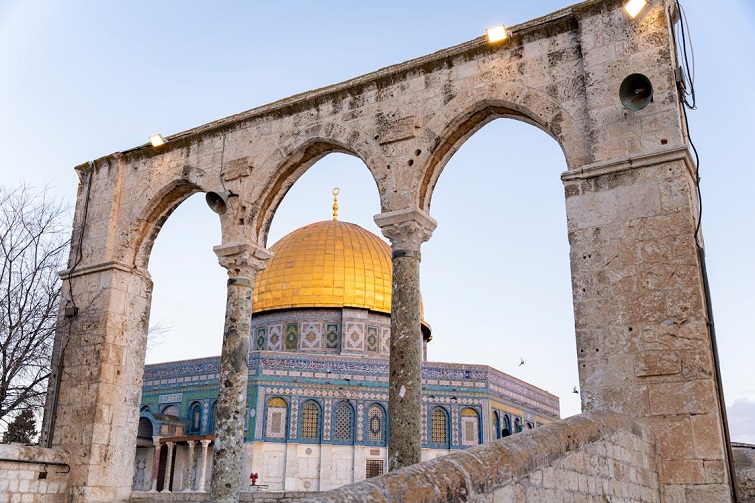
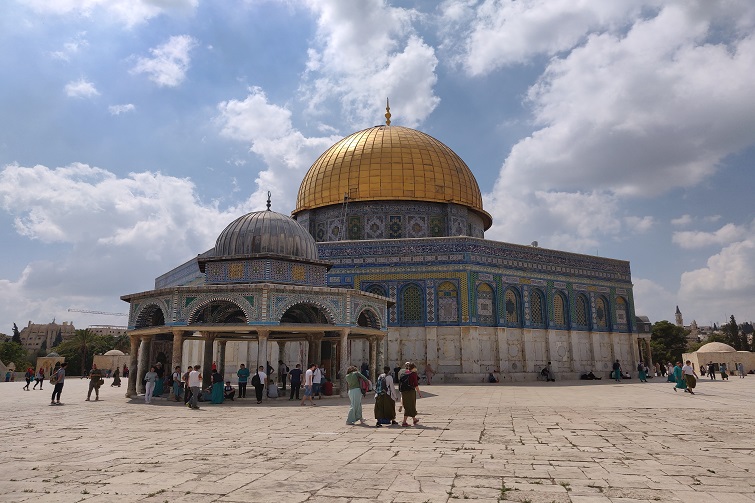
- Dome of the Rock: Instantly recognizable by its golden dome, this iconic shrine stands on the Temple Mount. It is traditionally believed to mark the site from which the Prophet Muhammad ascended to heaven during the Night Journey.
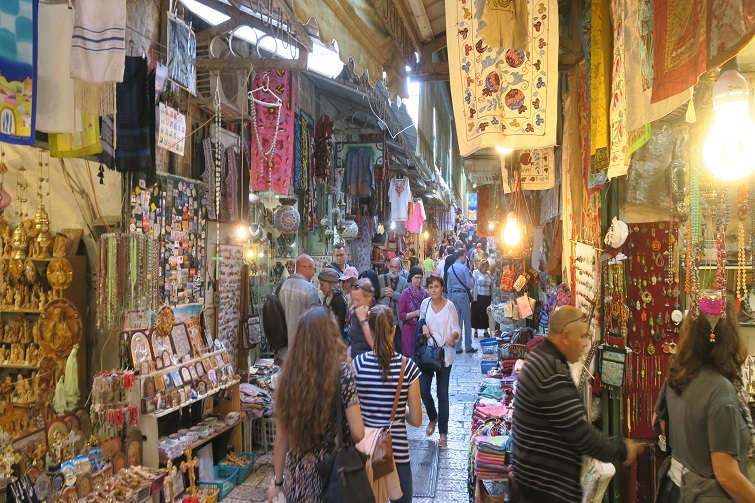
- Markets and Souks: The narrow lanes of the Muslim Quarter are filled with colorful stalls selling spices, sweets, textiles, ceramics, and traditional crafts. Street-food stands serving falafel, shawarma, and fresh pastries add to the area’s vibrant atmosphere.
💡 My Tip: Take time to sample the local street food and traditional Arab sweets. Look for small bakeries selling fresh knafeh and baklava – they’re often made on-site and taste best when still warm. Pair them with strong Arabic coffee for an authentic local experience.
The Armenian Quarter
The Armenian Quarter is the smallest and most tranquil of the Old City’s four quarters. With its quiet atmosphere and centuries-old heritage, it offers a peaceful contrast to the busier surrounding areas.
Key highlights include:
- St. James Cathedral: The spiritual center of the Armenian community in Jerusalem. Known for its richly decorated interior, hanging lamps, and ancient mosaics, this cathedral provides a serene space for prayer and reflection.
- Armenian Museum: A small but fascinating museum that explores Armenian history, culture, and presence in Jerusalem. Exhibits include manuscripts, religious objects, ceramics, and works of art.
- Quiet Streets and Courtyards: The quarter’s narrow alleys and hidden courtyards invite slow, unhurried exploration. Walking here offers a rare glimpse into the daily life of a close-knit community that has lived in Jerusalem for centuries.
The Old City Gates
The Old City of Jerusalem is encircled by impressive ancient walls and gates, each steeped in history and tradition, telling stories of conquest, faith, and daily life over thousands of years.
- Jaffa Gate: One of the main entrances to the Old City, Jaffa Gate leads to the Christian and Armenian Quarters. Its strategic location and historical significance make it a popular starting point for tours.
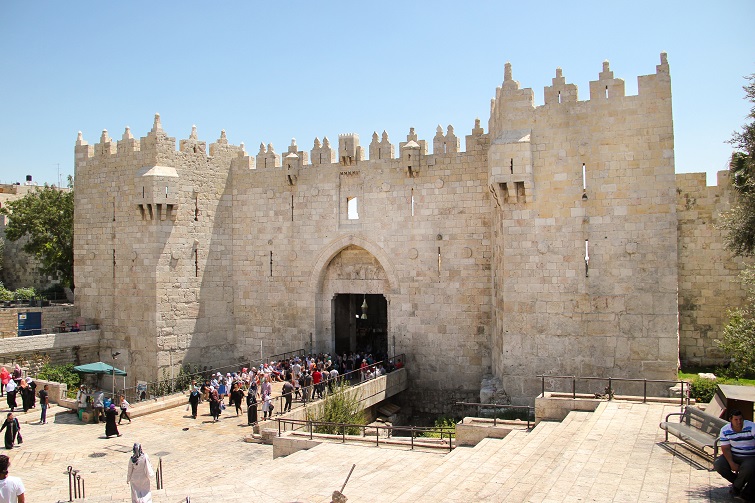
- Damascus Gate: This grand gate is a key entrance to the Muslim Quarter. Its vibrant surroundings include markets and street vendors, creating a lively atmosphere.
- Zion Gate: Leading to the Jewish Quarter and Armenian Quarter, Zion Gate still bears the visible scars of the 1948 Arab-Israeli War, offering a poignant glimpse into Jerusalem’s turbulent history.
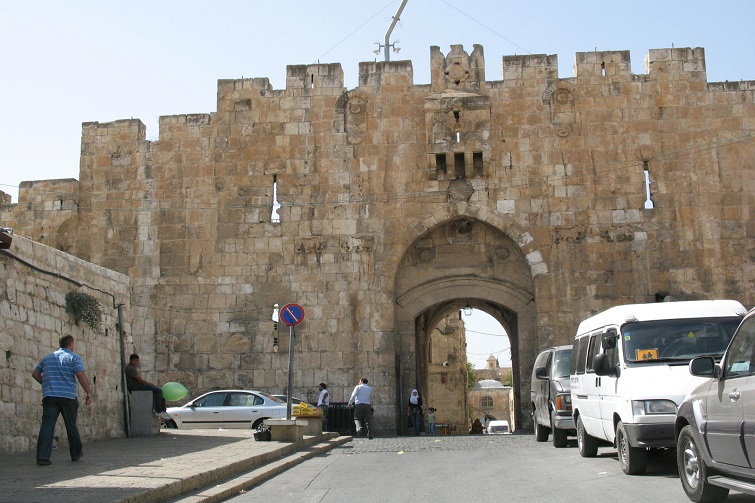
- Lions’ Gate: Also known as St. Stephen’s Gate, Lions’ Gate is the entry point to the Muslim Quarter and provides access to the Via Dolorosa, a significant path for Christian pilgrims.
- Herod’s Gate: Located in the northern wall, Herod’s Gate is a smaller, less ornate gate that leads into the Muslim Quarter. It is named after Herod the Great, although he had no connection to its construction.
- Dung Gate: This gate is the primary entrance to the Western Wall and the Jewish Quarter. Its name originates from the refuse that was taken out of the city through this gate in ancient times.
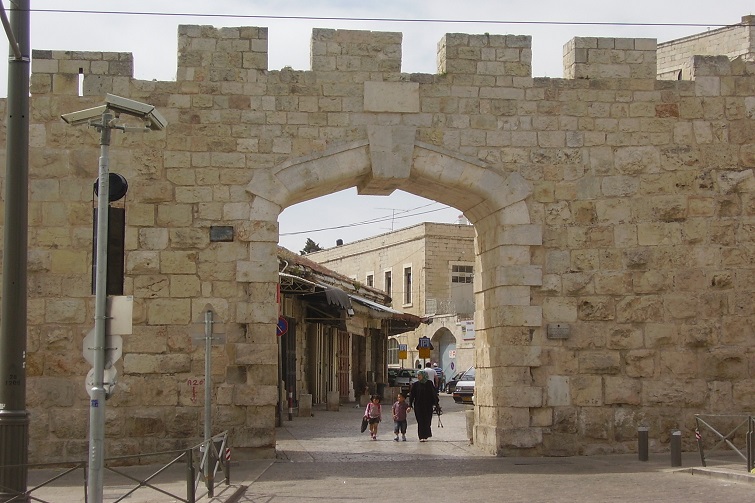
- New Gate: Opened in the late 19th century, New Gate provides access to the Christian Quarter from the northwest. It is the most recent addition to the city’s gates, designed to improve access to the Christian holy sites.
- Golden Gate: Also called the Gate of Mercy, is unique because it remains sealed. Located on the eastern wall, it holds deep religious significance for Jews, Christians, and Muslims, each of whom attach prophetic and spiritual meanings to it.
🗓️ Suggested Itineraries
Most travelers begin their visit at Jaffa Gate, but depending on your plans for the day, choosing a different entrance can save time, reduce crowds, and make your experience more enjoyable.
If you’re planning to visit the Tower of David Museum or explore the Armenian and Christian Quarters, the best entrance is Jaffa Gate. For easy access to the Western Wall and the City of David, enter through Dung Gate. Visitors heading to the Christian Quarter who prefer a quieter route can use New Gate, which avoids the crowds near Jaffa Gate. To reach Mount Zion and the Upper Room, the most convenient entrance is Zion Gate.
⏳ Half-Day Visit (4-6 Hours)
- Start at Jaffa Gate and walk into the Christian Quarter to visit the Church of the Holy Sepulchre. Continue through the Jewish Quarter alleys all the way down to the Western Wall. If access is available, ascend the Temple Mount to see the Dome of the Rock before exiting through the Muslim Quarter, where you can enjoy lunch or browse for souvenirs and traditional sweets, or alternatively conclude your route on the Mount of Olives for panoramic views of Jerusalem.
🌞 Full-Day Visit (8-10 Hours)
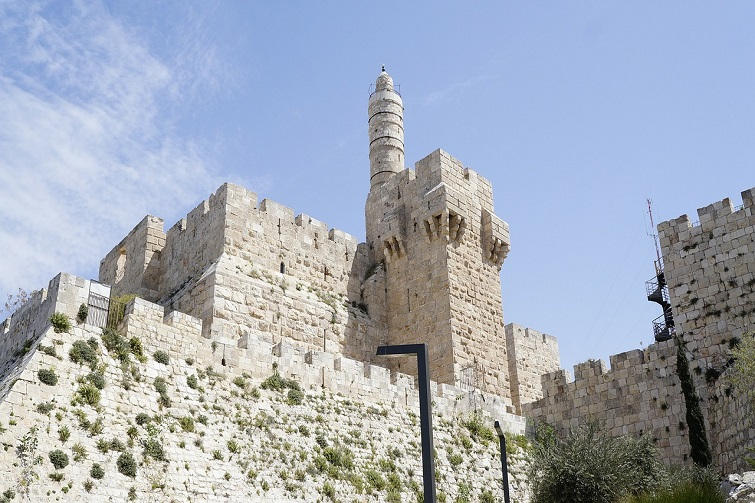
- Extend your exploration of the Old City by walking the Ramparts Walk for stunning panoramic views of the city, or following the Via Dolorosa to trace the traditional path of Jesus’ journey. History enthusiasts can visit the Tower of David Museum for an in-depth look at the Old City’s past, or wander along the Cardo, a partially restored Roman-era street lined with shops. On Mount Zion, be sure to visit the Upper Room and King David’s Tomb.
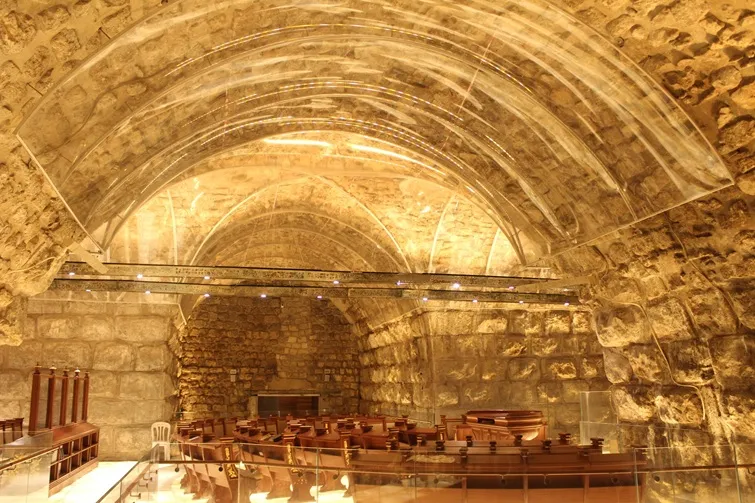
- For archaeology enthusiasts, the Western Wall Tunnels reveal centuries of hidden history beneath the city. Don’t miss the Hurva Synagogue, a striking symbol of resilience and architectural beauty. Finally, spend some time wandering the Muslim Quarter markets, sampling local sweets, and shopping for unique souvenirs. These optional activities let you experience the Old City in greater depth and at a relaxed, immersive pace.
💡 My Tip: Staying in Tel Aviv and planning a day trip to Jerusalem? Check out my guide for the best itinerary, transport tips, and must-visit sites: Jerusalem Day Trip from Tel Aviv.
Practical Tips for Visiting the Old City
Visiting Hours and Accessibility
- Religious Sites: Before visiting, check the opening hours of religious sites, as they can vary depending on religious observances. Many sites also have designated times or restricted access for non-Muslim visitors, so planning ahead ensures you don’t miss any key locations.
- Comfortable Footwear: Exploring the Old City involves walking on uneven cobblestone streets and climbing numerous stairs. Wear sturdy, comfortable shoes to ensure you can navigate the area safely and enjoyably.
- Accessibility: Many areas of the Old City feature narrow uneven alleys and stairs, which can be challenging for visitors with mobility issues. Plan ahead by checking accessible routes and entrances, and consider using assistance or guided tours designed for easier navigation.
- Guided Tours: Taking a guided tour can greatly enrich your visit, offering historical context, cultural insights, and stories that bring the Old City’s sites to life. Knowledgeable guides help you understand the significance of each landmark and ensure you don’t miss hidden gems. I recommend browsing trusted platforms like GetYourGuide or Viator for high-rated tours.
Safety and Respect
- Security: Security and Safety: The Old City is generally safe, with visible security measures in place. Expect screenings at major sites and gates, stay aware of your surroundings, avoid political arguments, and follow local guidance – especially during holidays.
- Cultural Sensitivity: Dress modestly when visiting religious sites – cover shoulders and knees – and respect local customs and traditions.
- Photography: Always ask permission before photographing people, especially in religious areas. Be aware that some sites may have restrictions on photography.
Where to Stay in the Old City
Accommodations in the Old City range from boutique hotels to family-run guesthouses, offering a chance to immerse yourself in its historic and vibrant atmosphere. Staying within the Old City lets you step outside your door into centuries of culture and daily life. Here are a few highly rated options:
Gloria Hotel
⭐ 9.8/10 on Expedia
Read reviews & check availability
One of Jerusalem’s Old City top-rated hotels, the charming Gloria Hotel, set in the Christian Quarter just beyond Jaffa Gate, offers comfortable rooms and stunning rooftop views. Guests love its relaxed atmosphere, warm hospitality and excellent location.
The Sephardic House Hotel
⭐ 8.4/10 on Expedia
Read reviews & check availability
Just steps from the Western Wall, The Sephardic House Hotel offers cozy, well-appointed rooms with a traditional Jerusalem charm. Guests praise its warm hospitality, excellent location, and welcoming atmosphere.
New Imperial Hotel
⭐ 8.4/10 on Expedia
Read reviews & check availability
Located at the entrance to Jerusalem’s Old City just inside Jaffa Gate. Guests consistently praise its excellent location, friendly staff, and classic atmosphere, making it a convenient choice for exploring Jerusalem on foot.
💡 My Tip: Most visitors and tourists choose hotels in the western part of Jerusalem, just a short distance from the Old City, where a wider range of accommodation options is available. For a detailed look at the city’s neighborhoods and where to stay, see my guide: Where to Stay in Jerusalem.
What to Eat in Jerusalem
The Old City of Jerusalem is a culinary delight, offering everything from bustling street food stalls to cozy, traditional eateries. Savor local favorites like crispy falafel, juicy shawarma, and fresh-baked treats from corner bakeries. For a deeper dive into Israel’s most popular dishes, see my guide: What to Eat in Israel.
Final Thoughts
The Old City of Jerusalem is not just a tourist destination – it’s a living, spiritual, and historical crossroads of humanity. Whether you come for faith, culture, photography, or curiosity, the Old City always leaves a lasting impression. I hope this guide helps you plan your journey and make the most of every moment in this extraordinary city.
If you have any questions or would like a quote for a day trip to Jerusalem, feel free to contact me – I’ll be happy to help you plan a meaningful and unforgettable visit to the Holy City.

Thank you for visiting my website!
I’m Moshe Barak, providing private transportation across Israel for international travelers for over 20 years.
Together with my team of dedicated drivers, I offer reliable, flexible, and personalized service – with close attention to detail and a personal touch. Whether you’re visiting for business or leisure, I’m committed to making your journey as easy and enjoyable as possible.
Feel free to reach out for a quote, I’ll be happy to assist.
I look forward to being part of your journey in Israel.
Warm regards,
Moshe Barak
Book Your Day Trip Today!
Contact me with your details and any itinerary inquiries – I’ll be happy to help you plan the perfect, personalized experience.
Please specify:
Your requested date and time of departure
The requested itinerary or destination(s)
The expected number of passengers
You can also contact me directly or call me.
Your personal information will never be shared with third parties for marketing purposes.

One Last Thing…
✈️ Travel Insurance for Your Trip to Israel
Unexpected medical costs, flight changes, or lost baggage can quickly turn a great trip into a stressful one. Travel insurance helps you stay protected and enjoy Israel with peace of mind. Consider these two trusted, well-reviewed insurance providers:
Related Posts
More Guides From My Travel Blog with Tips for Upgrading Your Trip in Israel