Taxis in Israel: The Complete Guide for Tourists
Last updated: July 2026 by Moshe Barak — Israel travel and transportation expert with more than 20 years of experience helping international travelers navigate Israel.
Taxis in Israel are widely available and one of the most convenient ways for tourists to travel between cities and airports. They can be booked through apps like Gett or Yango, found at taxi stands, or hailed in most big cities. All official taxis use a meter, and prices are regulated, with higher fares at night, weekends, and holidays. For passengers landing at Ben Gurion Airport (TLV), taxis are one of the fastest ways to reach destinations like Tel Aviv, Jerusalem or Haifa.
💡 Just so you know: Some links on this page are affiliate links, meaning I may earn a small commission if you make a purchase or booking, at no extra cost to you. This helps me keep this site running – thank you!
Taxis in Israel: What to Know Before You Travel
If you’re visiting Israel for the first time, understanding how the local taxi system works can save you time, money, and unnecessary stress.
Unlike many countries where ride-hailing services such as Uber dominate the market, Israel relies on a nationwide network of licensed taxis. Whether you hail a taxi on the street, book one through an app, or arrange a pickup in advance, you’re generally using the same taxi system.
This guide explains everything tourists need to know about using taxis in Israel, including how the system works, how to book a taxi, typical fares, payment methods, airport transfers, Shabbat travel, and practical tips for avoiding common mistakes.
👉 Not sure whether taxis are the best option for every part of your trip? See my complete guide to getting around Israel for a comparison of the country’s main transportation options and practical advice on choosing between them.
Taxis in Israel – An Overview
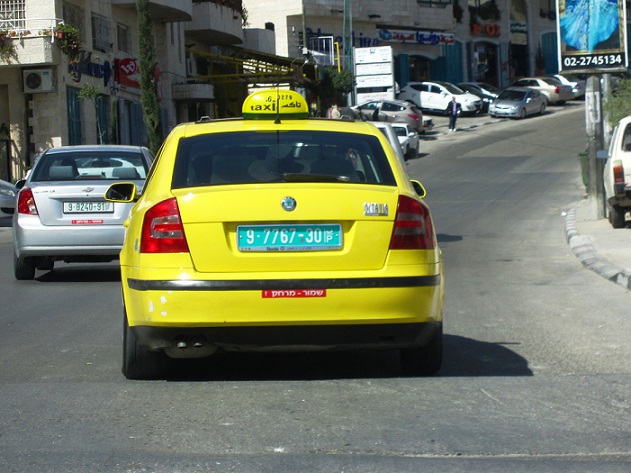
All taxis that legally carry passengers in Israel are licensed and regulated by the Israeli Ministry of Transport. They operate under national fare regulations and must meet licensing, insurance, and safety requirements. Knowing how to identify a licensed taxi vehicle at a glance is your first defense against unauthorized drivers.
How to Spot a Licensed Israeli Taxi
Navigating East Jerusalem and the West Bank
In East Jerusalem and the West Bank, you may encounter taxis operating under different licensing systems. Vehicle colors, registration plates and permitted travel areas vary. For journeys involving checkpoints or Palestinian Authority areas, confirm in advance that the driver and vehicle are authorized for the complete route.

How to Find or Book a Taxi in Israel
There are several ways to arrange a taxi in Israel. The best option depends on your location, the time of day, your destination, and whether you are traveling with substantial luggage or require a larger vehicle.
Hail a Taxi on the Street
In central areas of Tel Aviv, Jerusalem, Haifa, and other major cities, it is often possible to hail an available taxi from the sidewalk.
Before the journey begins, confirm that the driver understands your destination and ask which payment methods are available. For a standard taxi journey, the driver should activate the regulated meter.
Best for: Short, spontaneous journeys in busy urban areas.
Keep in mind: Finding an available street taxi can be more difficult during rush hour, late at night, on Shabbat, or outside major city centers.
Use an Official Taxi Stand
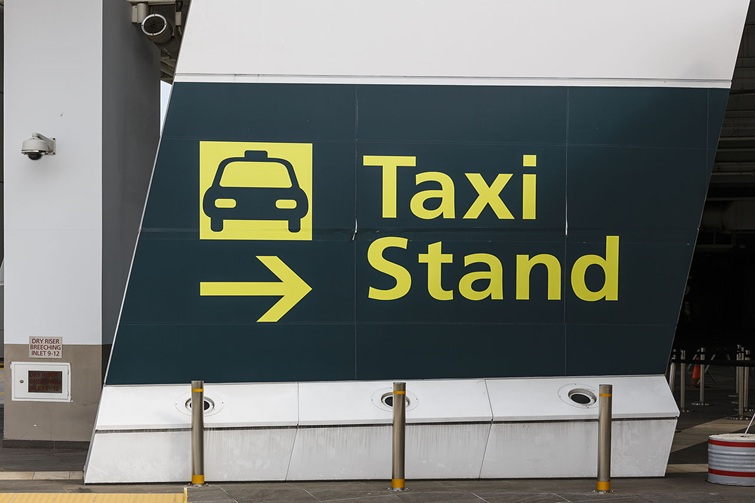
Taxi stands are commonly found near railway and bus stations, hotels, hospitals, shopping centers, and major tourist attractions.
At an organized stand, passengers generally take the first available taxi in the queue. This is a convenient option for travelers who do not have mobile data or prefer not to use an app.
Best for: Immediate travel from transport hubs and other busy locations.
Keep in mind: Queues may form during peak periods. At Ben Gurion Airport, use only the authorized taxi-dispatch system and official pickup areas described later in this guide.
Call a Local Taxi Station
Local taxi-dispatch stations operate in cities and towns throughout Israel. You can call a station to request an immediate pickup or arrange a taxi for a specific time.
Hotels and accommodation providers can also order a taxi on your behalf. This may be helpful when your pickup location is difficult to explain or when you need to leave early in the morning.
A regulated booking surcharge is normally added when a taxi is ordered by telephone or through a dispatch service.
Best for: Scheduled pickups, travelers without a taxi app, and journeys beginning outside busy city centers.
Keep in mind: English-speaking dispatchers are not always available. Have the address written in Hebrew or saved as a map location whenever possible.
Pre-Book a Private Transfer
For airport pickups, intercity journeys, remote destinations, Shabbat travel, or groups carrying substantial luggage, arranging a private transfer in advance may be more convenient than searching for an available taxi.
A pre-booked transfer can provide a confirmed pickup time, a vehicle suited to the number of passengers and suitcases, and a fixed price agreed upon before the journey. Larger vehicles and child seats may also be requested, subject to availability.
Unlike a standard licensed taxi ride, which is normally charged according to the regulated meter, a private transfer is a separately arranged service with its own confirmed price and pickup conditions.
Best for: Airport arrivals, families, groups, long-distance journeys, tight schedules, and destinations with limited taxi availability.
Keep in mind: Confirm the total price, pickup location, vehicle size, luggage capacity, waiting policy, and cancellation terms before booking.
💡 Need a reliable airport transfer in Israel? Contact me with your travel details and get a quote today!
Use a Taxi App
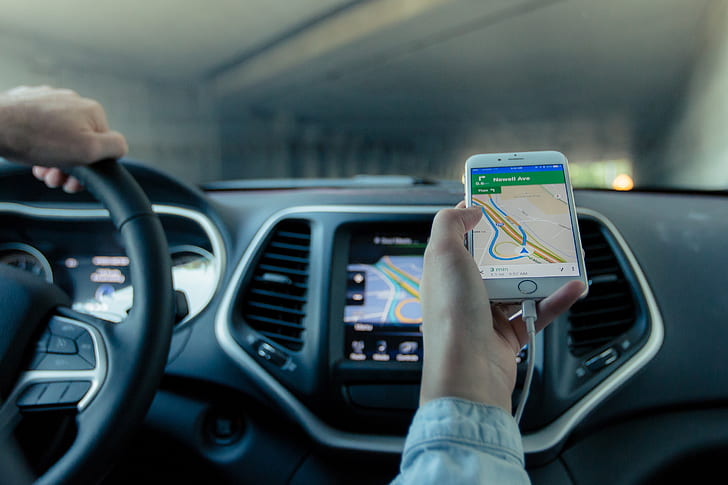
Taxi apps are one of the most convenient ways to order a licensed taxi in Israel, particularly in major cities.
Apps such as Gett and Yango allow you to enter your pickup point and destination, request a nearby driver, and follow the taxi’s arrival. Depending on the app and ride, you may also be able to view driver details, track the route, receive an estimated fare, and pay through the app.
Entering the destination in advance can reduce misunderstandings when the driver does not speak fluent English. A regulated booking surcharge is normally added when a taxi is ordered through an app.
Best for: City journeys, travelers without fluent Hebrew, route tracking, and app-based payment.
Keep in mind: Availability and waiting times vary, particularly during rush hour, Shabbat, holidays, bad weather, and periods of high demand.
The next section takes a closer look at the main taxi apps available in Israel and the services they provide.

Taxi Apps in Israel: Can I Use Uber?
The short answer is no. As of July 2026, neither Uber nor Lyft operates their standard private-car ride-sharing networks in Israel.
Taxi apps in Israel connect passengers with licensed taxis rather than private drivers, meaning you’ll receive the same regulated taxi whether you book through an app, a taxi station, or hail one on the street. These local taxi apps function similarly to Uber and provide useful features such as driver details, route tracking, estimated pricing, ride history, and app-based payment.
Uber Alternatives in Israel
- Gett: The most widely used taxi-booking app in Israel. It connects passengers with licensed taxi drivers and is particularly useful in major cities such as Tel Aviv, Jerusalem, and Haifa.
- Yango: Available for iPhone and Android Yango also connects passengers with licensed taxi drivers in Israel and provides in-app booking, driver details, route tracking, and payment options.
👉 For more details, alternatives, and tips, see my full guide: Is Uber Available in Israel?
How Taxi Fares Are Calculated in Israel
Taxi fares in Israel are regulated by the government. For a standard licensed taxi ride, the driver should activate the taximeter – known as a moneh in Hebrew – at the beginning of the journey.
The final metered fare depends on the distance traveled, the time spent in the taxi, the applicable tariff, and any regulated additional charges. This means that traffic congestion can increase the fare even when the taxi is not covering much distance.
A separately pre-booked private transfer may instead be provided at a fixed price confirmed before the journey.
Understanding Israel’s Three Taxi Tariffs
Israeli taxi meters use three tariff levels according to the day and time of travel. The schedule follows fixed legal time periods rather than the exact beginning and end of Shabbat at sunset.
| Day | Tariff A | Tariff B | Tariff C |
|---|---|---|---|
| Sunday–Wednesday | 06:00–21:00 | 21:01–05:59 | — |
| Thursday | 06:00–21:00 | 21:01–23:00 | 23:01–05:59 |
| Friday / holiday eve | 06:00–16:00 | 16:01–21:00 | 21:01–05:59 |
| Shabbat / holiday | — | 06:00–19:00 | 19:01–05:59 |
Standard Fare and Additional Charges
Every metered taxi ride begins with an opening charge of 12.46 ILS. The meter then charges simultaneously for both the distance traveled and the duration of the journey:
- Under Tariff A, the meter adds 1.95 ILS per kilometer and 1.95 ILS per minute.
- Under Tariff B, the meter adds 2.34 ILS per kilometer and 2.34 ILS per minute.
- Under Tariff C, the meter adds 2.73 ILS per kilometer and 2.73 ILS per minute.
- For the portion of a journey beyond the first 10 kilometers, an additional charge of 1.84 ILS applies for every extra kilometer. This is particularly relevant for airport transfers and longer intercity journeys.
Other regulated charges may include:
- A booking surcharge of 5.78 ILS when a taxi is ordered through an app, by telephone, or through a taxi dispatch service.
- A 5.00 ILS departure surcharge for taxi journeys beginning at Ben Gurion Airport.
- Road tolls when the route uses a toll road, as well as waiting time specifically requested by the passenger, may also be added where applicable.
Taxi drivers are not permitted to charge separate fees simply for carrying luggage or additional passengers, provided that the passengers and luggage fit safely within the vehicle’s licensed capacity.
The rates above apply outside Eilat, where different VAT-free taxi rates are used.
Payment Methods
Cash payments in Israeli shekels are widely accepted.
When booking through a taxi app, passengers can often pay directly through the app. Card-payment availability in street-hailed taxis varies, so confirm the payment method with the driver before beginning the journey and carry some Israeli shekels as a backup.
Tipping Taxi Drivers in Israel
Tipping taxi drivers is not customary in Israel, and drivers do not normally expect a percentage-based tip.
If you receive particularly helpful service, you may round the fare up slightly or add a small amount, but this is completely optional.

Taxis from Ben Gurion Airport (TLV)
Taxis are available from Ben Gurion Airport throughout the day and night, including during Shabbat and most Jewish holidays (except Yom Kippur). Travelers can choose between the official on-demand airport taxi service or a private airport transfer arranged before arrival.
The official service is suitable for passengers who want to take the next available licensed taxi. A pre-booked transfer is generally more convenient for families, larger groups, travelers carrying substantial luggage, and anyone who prefers a confirmed price and pickup arrangement in advance.
👉 Arriving in Israel for the first time? My Ben Gurion Airport Arrival Tips guide explains immigration, baggage claim, customs, transportation options, and other practical steps after landing.
Official Airport Taxi Service
Gett manages the authorized taxi dispatch system at Ben Gurion Airport. Passengers can order a taxi through the Gett app or one of the self-service stations located inside the airport. You do not need to download the app to use the service.
After entering your destination, you will receive a ride code. Keep this code and proceed to the authorized taxi line, where an attendant will direct you to the next available driver.
The on-demand taxi pickup points are:
- Terminal 3: Arrivals level, ground floor, Exit 03
- Terminal 1: Outside the main arrivals exit
Passengers who schedule a Gett taxi in advance should check the pickup instructions carefully. At Terminal 3, scheduled Gett rides currently depart from the second floor near Exit 23 rather than from the regular arrivals-level taxi line.
Official airport taxi rides are charged according to the regulated meter. The driver is required to activate the meter at the beginning of the journey. The final fare depends on the distance, travel time, applicable tariff, airport departure surcharge, and any other legally permitted charges.
Payment can be made directly to the driver in cash or by credit card. Passengers who order through the Gett app may also be able to pay through the app.
Benefits of the Official Airport Taxi Service
- Licensed taxis dispatched through the authorized airport system
- No advance reservation required for an on-demand ride
- Service to destinations throughout Israel
- Cash, card, and app-based payment options
- Ride tracking and access to customer support when using the Gett app
Things to Keep in Mind
Taxi queues can become longer when several international flights arrive close together. Waiting times may also increase at night, during Shabbat, and around major Jewish holidays when demand is high and fewer drivers may be available.
Because the fare is metered, traffic congestion can increase the final price. This is particularly relevant when traveling toward Tel Aviv or Jerusalem during busy hours.
Pre-Book a Private Airport Transfer
Travelers who prefer a more predictable arrival can arrange a private airport transfer before their flight.
Depending on the service booked, the driver can monitor the flight, wait at an agreed meeting point in the arrivals hall, assist with luggage, and escort passengers directly to a vehicle selected for their group size.
Unlike an ordinary airport taxi, a private transfer can be booked at a fixed price confirmed in advance.
Benefits of a Pre-Booked Transfer
- Confirmed price: The cost is agreed upon before the journey, without changes caused by traffic or meter time.
- No taxi queue: The driver and pickup arrangements are confirmed in advance.
- Flight monitoring: The pickup can be adjusted when a flight arrives earlier or later than scheduled.
- Appropriate vehicle: A larger vehicle can be arranged for families, groups, child seats, or substantial luggage.
- Convenient during Shabbat: Transportation is reserved even when trains and most regular buses are unavailable.
- Suitable for long journeys: Particularly useful for destinations such as Haifa, the Galilee, the Dead Sea, or southern Israel.
A pre-booked transfer is usually the better option when your arrival time is important, you are traveling with several passengers, or you want to know the complete price before landing.
👉 Need a reliable airport transfer in Israel? Contact me with your flight details, destination, number of passengers, and luggage requirements to receive a quote.
Planning Your Journey from Ben Gurion Airport?
For detailed comparisons of taxis, trains, buses, private transfers, travel times, and estimated costs, see my destination-specific guides:




No. As of July 2026, there is no regular shared-taxi service from Ben Gurion Airport to Jerusalem, Haifa, Tel Aviv, or other cities.
The former Nesher sherut service between Ben Gurion Airport and Jerusalem has been discontinued, as has the former Amal service to Haifa. Many older travel guides, blogs, and forum discussions still recommend these outdated services, so travelers should not rely on them when planning their onward journey from Ben Gurion Airport.
The free “airport shuttle” listed by the Israel Airports Authority should not be confused with a sherut. It operates only within the airport, connecting Terminal 1, Terminal 3, and the long-term parking area.
👉 For more information about sherut services in Israel, see my dedicated guide: Are Shared Taxis Still Available in Israel?
Taxi Travel During Shabbat
Licensed taxis continue to operate during Shabbat and most Jewish holidays, making them one of the main door-to-door transportation options when trains and most regular bus services are unavailable.
However, fewer drivers may be working, while demand often increases around airports, hotels, train stations, and major cities. Availability can therefore be more limited than on a regular weekday, particularly on Friday evening, Saturday evening, and during major holidays. Pre-booking is recommended for airport transfers, long-distance journeys, groups, and trips that must depart at a specific time.
Shabbat taxi fares do not use one single weekend tariff throughout the entire period. On Fridays and holiday eves, Tariff B applies from 16:01 until 21:00, followed by the higher Tariff C from 21:01 until 05:59.
During Shabbat and designated holidays, Tariff B applies from 06:00 until 19:00, while Tariff C applies from 19:01 until 05:59 the following morning.
These are fixed regulatory time periods and do not change according to the exact time of sunset. For metered journeys, the taxi meter applies the appropriate tariff automatically.
Travel from Ben Gurion Airport on Shabbat
Official airport taxis and pre-booked private transfers continue to operate at Ben Gurion Airport during Shabbat. However, taxi demand can be high, particularly after international flight arrivals, and travelers may face longer queues or reduced availability.
Anyone arriving during Shabbat with a tight schedule, substantial luggage, young children, a large group, or a long-distance destination should consider arranging transportation in advance.
👉 For a complete overview of available transportation options, including taxis, private transfers, weekend buses, and practical planning tips, see my dedicated guide: How to Travel from Ben Gurion Airport on Shabbat.
Regional Travel & Cross-Border Logistics
Remote and Long-Distance Trips
Unlike cities such as Tel Aviv and Jerusalem, remote destinations and international border crossings have limited taxi availability. Areas such as the Dead Sea, Mitzpe Ramon, the Golan Heights, and border crossings to Jordan or Egypt do not have a reliable supply of taxis waiting for immediate rides.
For these destinations, travelers should arrange their onward or return transportation in advance. A pre-booked transfer ensures that a driver is available for the full journey and that the price is agreed upon beforehand.
Traveling to Bethlehem
Bethlehem is located in Area A of the Palestinian Authority, where standard Israeli-plated (yellow-plate) taxis generally cannot enter without special authorization. If you’re planning a visit to Bethlehem, you have two main options:
- Taking a taxi to Checkpoint 300: Take an Israeli taxi from Jerusalem to Checkpoint 300 and cross the pedestrian terminal on foot (bring your passport with you). On the Bethlehem side, take a local Palestinian taxi to reach nearby destinations such as Manger Square and the Church of the Nativity.
- Authorized Palestinian Taxi Drivers: Some drivers and vehicles may be able to travel directly to Bethlehem, depending on their permits and the current crossing arrangements. Always confirm the driver’s access permission in advance and agree on a fixed price before starting the trip.
👉 For more details and practical tips, see my guide: How to Travel from Jerusalem to Bethlehem.
Traveling to the Dead Sea
The Dead Sea is one of Israel’s most popular day-trip destinations, but reaching it requires some planning. Public transportation options are limited, and taxis are not always readily available in the Dead Sea area for return trips.
For the most convenient experience, travelers often choose a pre-booked taxi or private transfer, especially when traveling with luggage, visiting multiple sites, or planning a return journey on the same day.
👉 For more detailed information and transportation options, see my dedicated guide: How to Travel from Jerusalem to the Dead Sea.

10 Common Taxi Mistakes to Avoid in Israel
Avoiding these common mistakes can help prevent delays, unexpected costs, and transportation problems during your trip.
- Expecting Uber or Lyft to Operate Normally: Standard Uber and Lyft ride-sharing services are not available in Israel. Use a local taxi app such as Gett or Yango instead.
- Looking for an Airport Sherut: The former shared-taxi services from Ben Gurion Airport to Jerusalem and Haifa no longer operate. Choose another option before arrival.
- Accepting a Ride from an Unauthorized Driver: At airports and transport hubs, use official taxi stands, authorized dispatch systems, or trusted taxi apps.
- Not Checking That the Meter Is Running: For a regular taxi ride, make sure the driver activates the regulated meter at the beginning of the journey.
- Assuming Every Taxi Accepts Credit Cards: Payment options vary, especially in street-hailed taxis. Confirm before departure and carry some Israeli shekels as a backup.
- Booking a Vehicle That Is Too Small: A standard taxi may not accommodate several passengers and large suitcases. Arrange a larger vehicle when necessary.
- Underestimating Traffic Delays: Travel times can increase considerably during rush hour, on Thursday afternoons, and before holidays. Leave extra time for important journeys.
- Ignoring Shabbat and Holiday Restrictions: Taxi demand increases when trains and most buses stop operating. Pre-book airport transfers and time-sensitive journeys.
- Not Confirming the Exact Destination: Show the driver the address or map location, especially when a hotel or attraction has several entrances or similar names.
- Relying on Finding a Taxi in a Remote Area: Taxi availability is limited around the Dead Sea, Mitzpe Ramon, the Golan Heights, and border crossings. Arrange both the outward and return journeys in advance.
👉 Planning your trip and looking for reliable transportation in Israel? Contact me with your itinerary and get a quote today!

Safety Tips for Using Taxis in Israel
A few simple precautions can help you travel safely and resolve any problems that may arise.
- Use a licensed taxi: Book through a recognized taxi app, use an official taxi stand, or hail a clearly marked licensed vehicle. At Ben Gurion Airport, use only the authorized dispatch system and pickup area.
- Confirm the destination and meter: Show the driver the exact address or map location and make sure the meter is activated before the journey begins.
- Follow the route: Use Google Maps, Waze, or another navigation app to check that the taxi is traveling in a reasonable direction.
- Share your ride details: When traveling alone or late at night, consider sharing the taxi number, driver details, or live app journey with someone you trust.
- Keep the receipt: The receipt provides a record of the fare and may help identify the taxi if you leave something behind or need to report a problem.
- Record important details: If an issue occurs, note the taxi number, driver information, date, time, pickup point, destination, and app booking number.
👉 Problems with a taxi ride? Complaints concerning taxis can be submitted through the Ministry of Transport’s public-transport complaint service.
Frequently Asked Questions
Final Thoughts on Using Taxis in Israel
Taxis remain an important part of Israel’s transportation system, particularly during Shabbat, late at night, when traveling with luggage, and in places where public transportation is limited.
For short journeys within major cities, licensed metered taxis and taxi-booking apps usually provide the simplest solution. For airport arrivals, groups, long-distance routes, and time-sensitive journeys, arranging transportation in advance can offer greater convenience and certainty.
Prefer to Arrange Your Transportation in Advance?
I provide private airport transfers and door-to-door transportation throughout Israel, with pickup details and pricing confirmed before your journey.
Complete the request form below with your travel date, pickup location, destination, number of passengers, and luggage requirements to receive a personalized quote.

Thank you for visiting my website!
I’m Moshe Barak, providing private transportation across Israel for international travelers for over 20 years.
Together with my team of dedicated drivers, I offer reliable, flexible, and personalized service – with close attention to detail and a personal touch. Whether you’re visiting for business or leisure, I’m committed to making your journey as easy and enjoyable as possible.
Feel free to reach out for a quote, I’ll be happy to assist.
I look forward to being part of your journey in Israel.
Warm regards,
Moshe Barak

Discover More of Israel
Travel guides, destination ideas, and practical tips to help you plan your trip

The Dead Sea

Best Hotels in Tiberias

Israel’s Calendar of Events

What to Eat in Israel
How to Get from Ben Gurion Airport to Jerusalem

The Best Museums in Tel Aviv

Israel Itinerary – 7 Days

Top 10 Things to Do in Israel

Ein Gedi
How to Get from Ben Gurion Airport to Tel Aviv

Mitzpe Ramon Crater